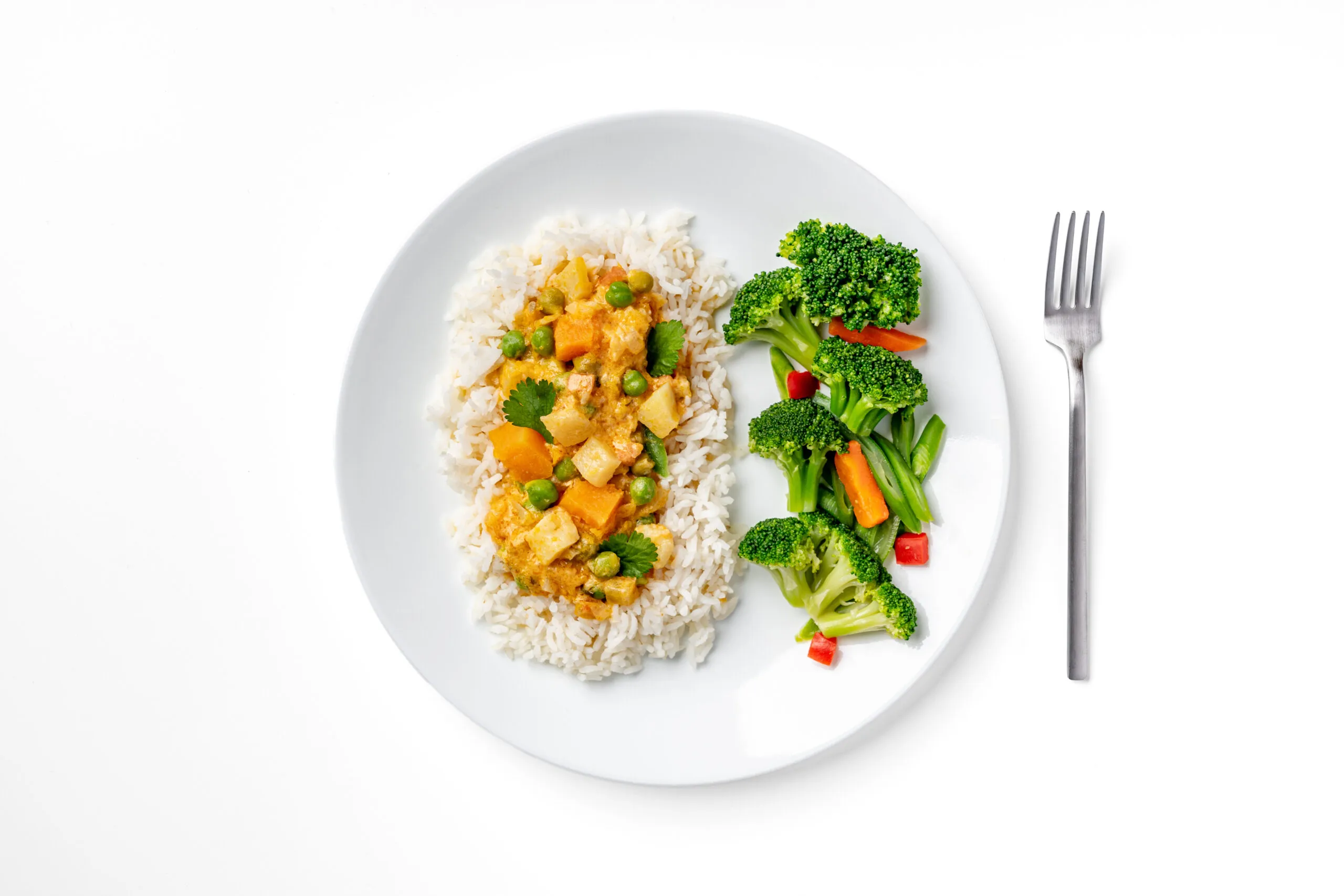
Food is medicine — and Meals on Wheels People is delivering it every day.
Every year, millions of older adults are hospitalized for preventable conditions made worse by poor nutrition. But with the right support, they don’t have to be. Our meals are designed to do more than nourish. They help people manage chronic conditions, prevent hospitalizations, and stay safe at home.
People who receive medically tailored meals experience a 16% reduction in net health care costs. In fact, we’re able to provide a year of medically tailored meals for less than the cost of one day in the hospital.

With fewer hospitalizations and emergency visits — up to 70% fewer emergency department visits, 50% fewer hospital stays, and 72% less emergency transport — these meals are more than lunch or dinner; they’re cost-effective health care.
We sat down with Erica Silveira, MS, RD, LD, our in-house registered dietitian. Erica brings over nine years of experience — from hospital systems to dialysis centers — and now leads our efforts to ensure every meal meets the specific needs of the seniors we serve.
Note: This interview has been condensed and edited for clarity.
Q: Why is senior nutrition so important — and different from general nutrition?
A: A lot changes as we age. Natural muscle loss means seniors need more protein. Bone loss also happens naturally with age, so nutrients like calcium and vitamin D become even more important. Mobility can start to decline, which makes it harder to get to the grocery store, shop, and prepare meals. Maybe folks can’t stand for long periods or hold a knife the way they used to.
It’s also more common to have chronic conditions — and more than one — that can pile on and be mitigated through diet. Appetite and eating habits naturally change with age, sometimes due to dental issues. Social isolation plays a big role, too, especially if someone doesn’t have a strong support network. And transportation barriers can make everything harder.
All of that can spiral and put someone at higher risk of being malnourished, which can wind them up in the hospital.
Q: What makes a MOWP meal different from just a “meal delivery”?

A: All of our meals are heart-healthy by default. That means there are limits on sodium and saturated fat, which is really important for managing things like heart conditions and high blood pressure. We also offer two types of renal meals: one for people with chronic kidney disease and one for people with end-stage renal disease on dialysis. The kitchen has completely redone our recipes to meet these standards — and now they’re working to meet additional guidelines for diabetes-friendly meals, which have specific ranges for carbohydrates and calories.
Each of our three meal types can support people managing multiple chronic conditions. Everything is nutritionally balanced — calories, fat, sodium, carbohydrates. If someone has COPD, for example, we’d recommend the heart-healthy, diabetes-friendly meals. These meals are built to meet medical needs, not just fill a plate.
Q: Can you share an example of how our meals support someone managing a chronic condition?
A: The one I’m most proud of is the renal meal we offer for people on dialysis. They’re really challenging because people in end-stage kidney disease need a high amount of protein and calories, but they also have to limit potassium and phosphorus. Too much of those nutrients can actually send them to the hospital.
People on dialysis are dealing with so much already: They’re spending 12 hours a week in treatment, they’re exhausted, and they often have food insecurity or very limited support. So being able to offer meals that are specifically designed for them is huge.
I really once spoke with a participant who has three types of cancer. Her granddaughter — who’s in her early 20s — dropped out of college to take care of her. We were doing a nutrition assessment over the phone, and when I told her we’d be working toward getting her meals, she just started sobbing. She told me she goes to bed hungry every night because they can’t afford food. She wants her granddaughter to eat instead. That guilt and worry is so common right now — and getting her connected to meals made a real difference. Stories like that are why we do this work.
Q: We often say our meals help people stay at home and out of the hospital. From your perspective, how does good nutrition do that?
A: Part of it is helping people maintain or regain strength and mobility. When we’re providing the meals, we’re taking away that extra burden — grocery shopping, cooking — which gives them more energy to manage other things in their life, like making it to doctor’s appointments.
Food is also essential for a lot of medications to work effectively. If someone is having repeat hospitalizations, they’re likely on a lot of meds. We want those to work as well as possible.
And then there’s managing chronic diseases at home versus ending up in the hospital to manage them in a crisis. Our meals help stabilize people so they can stay safe and independent — and out of the ER.
Q: What’s something most people don’t realize about what goes into planning and preparing these meals?
A: There are so many people involved in the process. It starts with our director of Central Kitchen operations, director of compliance, and food production manager brainstorming — what sounds good, what are they hearing from participants, maybe there’s a culturally specific expansion we’re trying to offer. There’s a huge information-gathering stage before they can even start figuring out what we can source and what’s cost effective.
Then they build out the recipe, and it comes to me. I review it to make sure it fits our specific nutrition parameters. We go back and forth, making adjustments. They’ll do a small run of the meal, and we taste test it. If all goes well, it gets added to the menu cycle.
What most people don’t realize is how lengthy and involved that process is. A lot of love and science goes into every dish.
